

How Southeast Michigan Businesses Can Lower Energy Bills with Commercial HVAC Upgrades
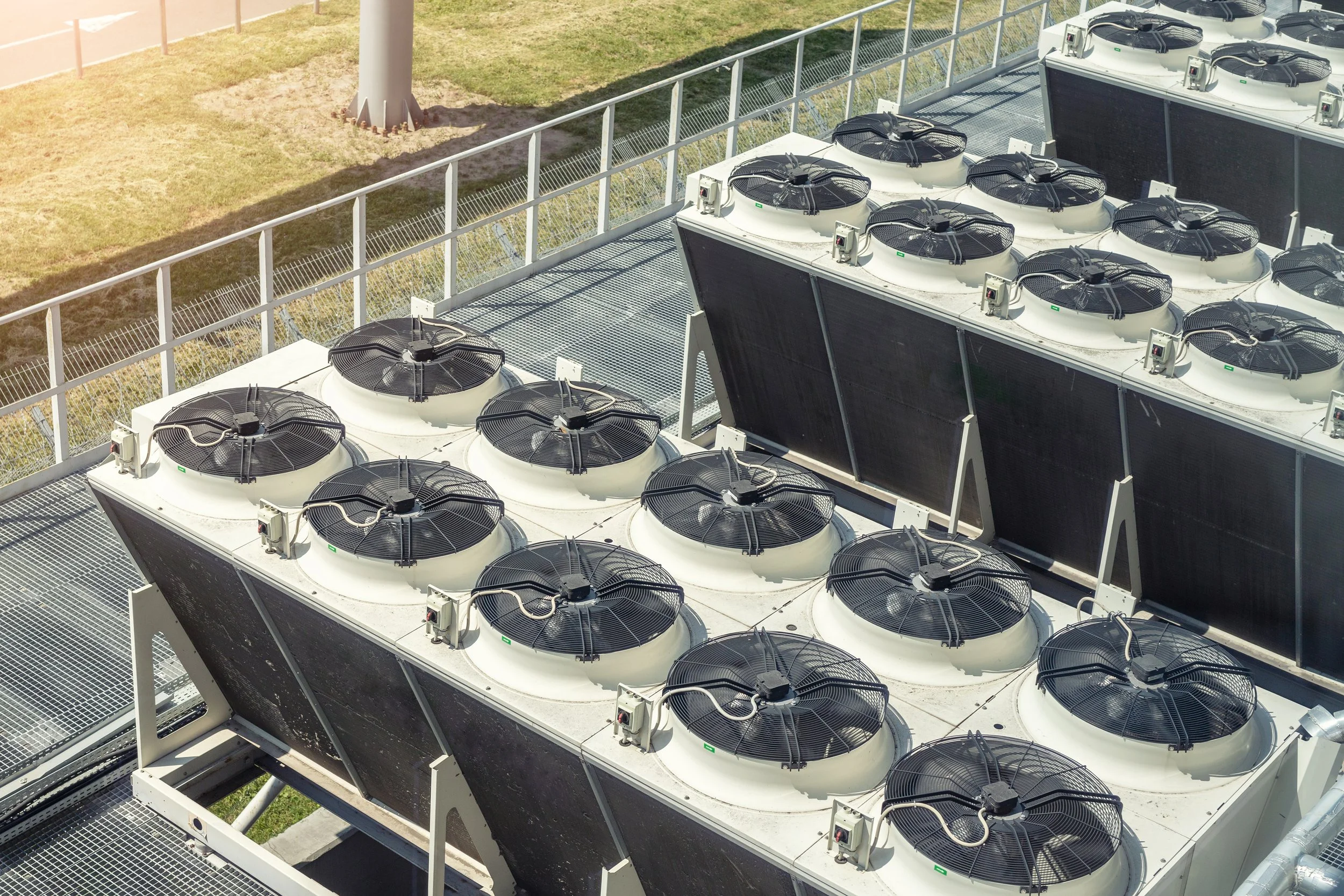
Rising energy costs are top of mind for businesses across Southeast Michigan. With HVAC systems consuming nearly 40% of building energy (DOE), the right upgrades can translate into serious savings while improving comfort and reliability.
Common Inefficiencies That Cost Businesses Money
Aging equipment that runs below 80% efficiency
Poorly maintained coils and filters that strain systems
Outdated thermostats or manual controls that waste energy
Inconsistent air distribution leading to hot/cold zones
Proven HVAC Upgrades for Energy Savings
High-Efficiency Boilers & Furnaces
Newer units operate at 90%+ efficiency, reducing fuel waste.
Smart Controls & Building Automation Systems
BAS can reduce HVAC energy use by 10–30% (DOE).
Variable Frequency Drives (VFDs)
Adjust motor speeds to demand, saving energy at part-load conditions.
Improved Filtration & Ventilation
Cleaner air reduces strain on systems and supports tenant satisfaction.
Regular Preventative Maintenance
Coil cleaning alone can improve efficiency by up to 15% (ASHRAE).
Why Southeast Michigan Businesses Should Act Now
Cold weather means heating systems run longer hours, which magnifies inefficiencies. Investing in upgrades before peak season ensures:
Lower energy bills this winter
Reduced risk of emergency breakdowns
A stronger sustainability profile for your building
Friedman Mechanical: Your Local HVAC Partner
With decades of experience serving Southeast Michigan’s commercial properties, Friedman Mechanical provides tailored solutions that balance energy savings with comfort and long-term performance.
Don’t let outdated HVAC equipment drain your bottom line.
Contact Friedman Mechanical for a free consultation on commercial HVAC upgrades and learn how to lower your energy bills this winter.
