

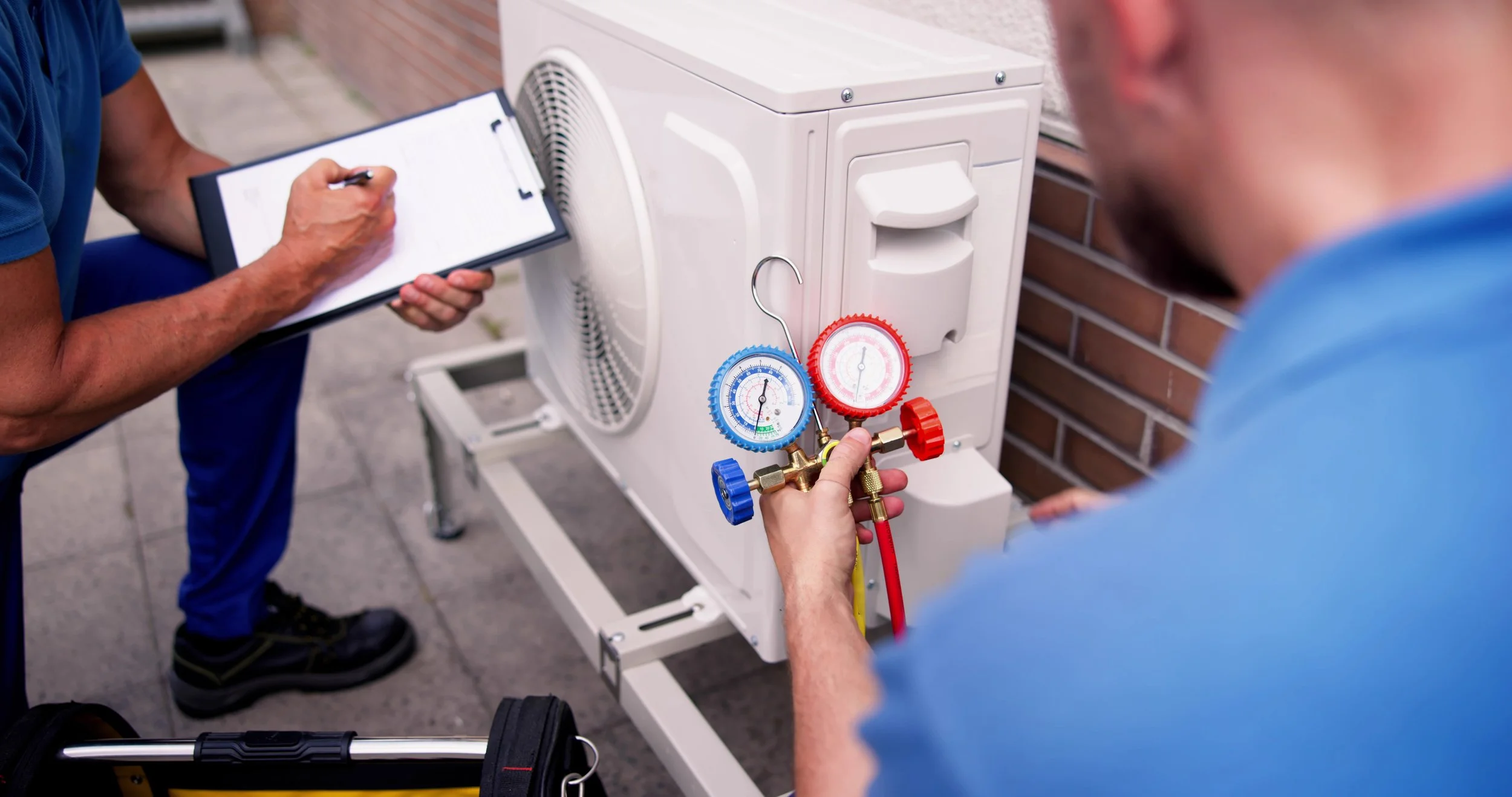
Preventive Maintenance
Commercial HVAC Design-Build & Installation in Southeast Michigan
From initial load analysis and system engineering through equipment installation and commissioning startup, Friedman Mechanical manages every phase of a commercial HVAC project in-house. One team, one point of accountability, start to finish.
Waiting for Something to Break Is the Most Expensive Way to Run a Building
Most HVAC failures do not happen without warning. The warning signs are just easy to miss if no one is looking for them.
Coils get dirty. Refrigerant levels drop slowly over time. Belts and bearings wear down. Small components start to degrade. None of these things shut your system down overnight, but left unchecked, they will. And when they do, it usually happens at the worst possible time, during a heat wave, during business hours, or when a tenant is expecting a space to be operational.
Emergency repairs cost more than planned ones. Downtime costs more than maintenance. And replacing equipment years earlier than necessary costs more than both.
Buildings that operate on a structured maintenance schedule spend less over time, full stop. The U.S. Department of Energy estimates that routine preventive maintenance alone can reduce energy costs by 5 to 20 percent annually. That is before you account for fewer emergency service calls and equipment that lasts longer because it was taken care of.
Friedman Mechanical builds and manages preventive maintenance programs for commercial facilities across Southeast Michigan. Every program is tailored to your specific equipment, your building's usage patterns, and your operational schedule. Not a generic checklist, but a plan built around how your building actually runs.
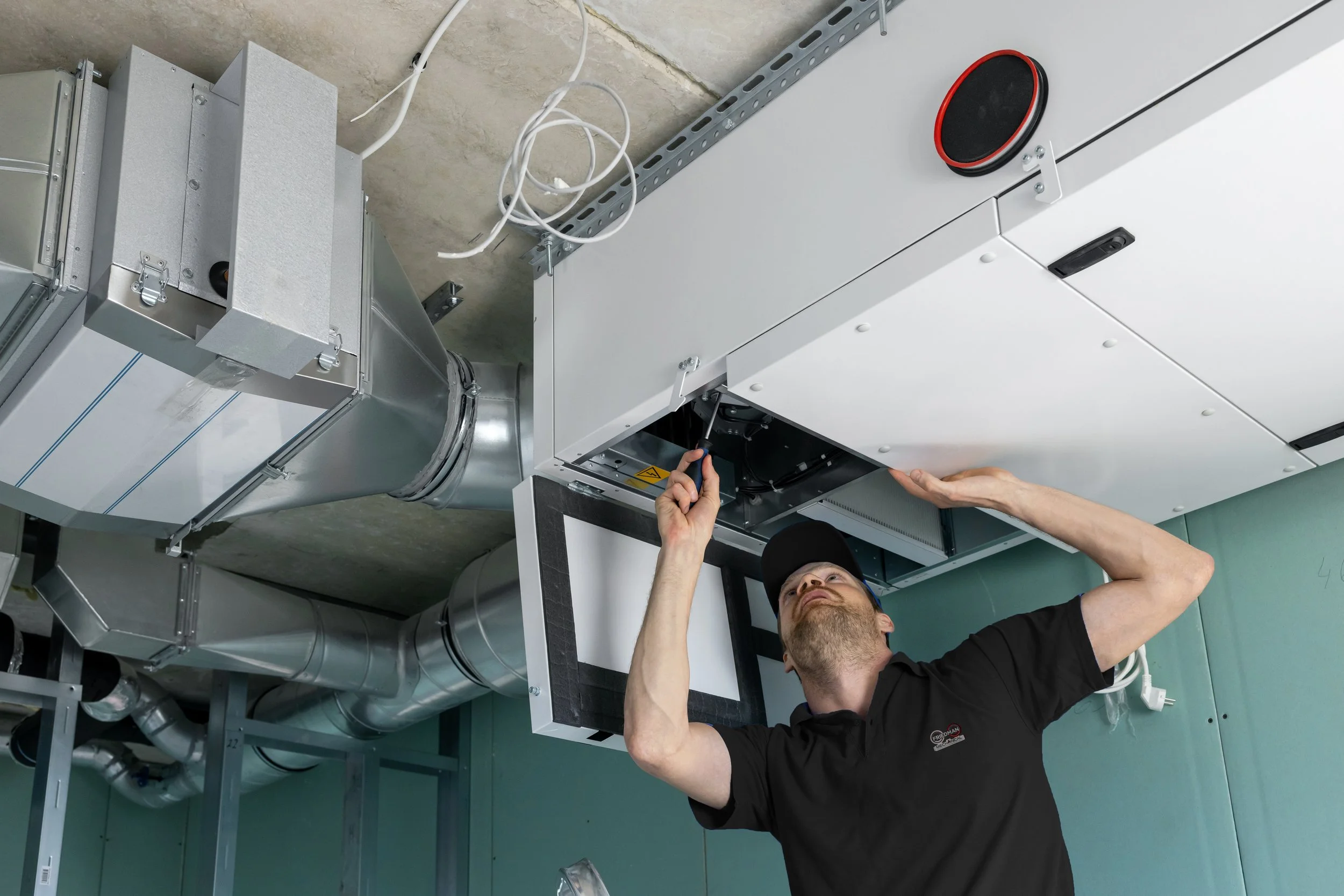
What a Friedman Mechanical Maintenance Agreement Includes
Every preventive maintenance plan is customized based on your facility's equipment inventory, usage patterns, and budget. A typical commercial HVAC maintenance visit includes:
Mechanical Inspection
- Belts, bearings, and sheave inspection and adjustment
- Motor amperage and voltage verification
- Fan blade and blower wheel inspection
- Compressor operating condition assessment
- Heat exchanger visual inspection and performance check
- Condenser and evaporator coil inspection and cleaning
- Drain pan and condensate drain inspection and clearing
- Refrigerant charge verification
Controls Verification
- Zone sensor calibration check
- Setpoint and scheduling verification
- Economizer operation testing
- BAS communication check
- Safety control testing and documentation
Boiler-Specific Services (where applicable)
- Burner performance and combustion analysis
- Pressure relief valve and safety control testing
- CSD-1 compliance documentation
- Water treatment review
- Flue gas analysis
Documentation & Reporting
- Written technician report with findings and condition notes
- Recommended action items with priority rating
- Equipment condition trending across visits
Customized to your facility. Plan scope and visit frequency are tailored to your equipment inventory, age, and operational requirements. Contact us to build a maintenance agreement that fits your budget and keeps your systems running year-round.
Service Area
Friedman Mechanical provides commercial cooling services throughout Southeast Michigan, including:
- Farmington Hills
- Detroit
- Ann Arbor
- Troy
- Southfield
- Pontiac
- Dearborn
- Livonia
- Royal Oak
- Auburn Hills
- Sterling Heights
And surrounding Southeast Michigan communities.
Equipment We Service
Friedman Mechanical technicians are factory-trained and experienced across all major commercial HVAC equipment manufacturers.















Don't see your brand listed? Call us. If it runs, we can service it.
Commercial HVAC
Ready to Stop Running Your Building on Reactive Maintenance?
Structured preventive maintenance programs for commercial facilities across Southeast Michigan — built around your specific equipment, usage demands, and operational calendar. Not a generic template.
-
Comprehensive Visit Scope
Every visit covers mechanical inspection, coil cleaning, refrigerant verification, controls calibration, safety testing, and a written technician report with findings and prioritized action items
-
Built Around Your Facility
A Customer Success Manager walks your facility, assesses equipment condition, and builds the plan around your actual inventory and operational calendar — monthly, quarterly, or semi-annual cadence
-
Priority Dispatch & Consistent Technicians
Agreement clients receive priority scheduling for repair calls — and the same technicians on every visit, building familiarity with your systems and equipment condition over time
-
Every plan is priced based on the specific equipment inventory in your facility, the required visit frequency, and the scope of services at each visit. We assess your facility first and build the plan around what your equipment actually needs, not a fixed-price package that may over or under-serve your systems.
-
Yes. Clients on a maintenance agreement receive priority dispatch for repair calls. During peak seasons when service demand is highest, that priority translates directly to faster response times.
-
Yes. We perform a baseline inspection to document current equipment condition, identify any existing issues, and establish a starting point for the maintenance record. We then build the plan forward from there.
-
Plans require a minimum one-year commitment. Many clients choose multi-year agreements for pricing stability and to ensure consistent technician familiarity with their systems over time.
-
Each visit includes a comprehensive mechanical inspection, controls verification, safety control testing, and a written technician report with findings and recommended action items. Specific scope varies by equipment type and plan structure.
-
Consistently, yes. The majority of commercial HVAC failures are preceded by detectable warning signs, fouled coils, low refrigerant, worn mechanical components, drifted controls, that a trained technician catches on a scheduled visit. Facilities on structured maintenance programs experience significantly fewer in-season emergency failures than those on reactive-only service relationships.